
[ad_1]
You're probably here because you want a matcha mochi recipe that works. Not one that turns rubbery by dinner, tastes flat, or leaves you scraping gluey dough off every surface in the kitchen.
Good news. Matcha mochi is one of the most satisfying homemade treats once you understand the small details that matter. The ingredient choice matters. The cooking method matters. The handling matters even more. Get those right and you end up with mochi that's soft, springy, lightly sweet, and fragrant with green tea, with that signature chew people chase in good Japanese sweets.
This version leans a little more modern and a little more Australian in spirit. It keeps the pleasure of classic mochi, but uses thoughtful ingredients and simple techniques that suit home bakers who want a cleaner, more balanced dessert. If you love café-style sweets but want better control over flavour, sweetness, and texture, this is the one to make.
A Healthier Indulgence The Pep Tea Way
A good matcha mochi recipe feels indulgent without being heavy. The dough should be tender and stretchy, not tough. The matcha should taste grassy, creamy, and slightly savoury, not harsh or dusty. The sweetness should support the tea, not bury it.
That balance is why matcha and mochi work so well together. Mochi has deep roots in Japanese food culture. Matcha carries its own long ceremonial history. Their pairing feels timeless, but it also suits the way many Australians like to eat now: smaller treats, clearer flavours, and ingredients chosen with more care.
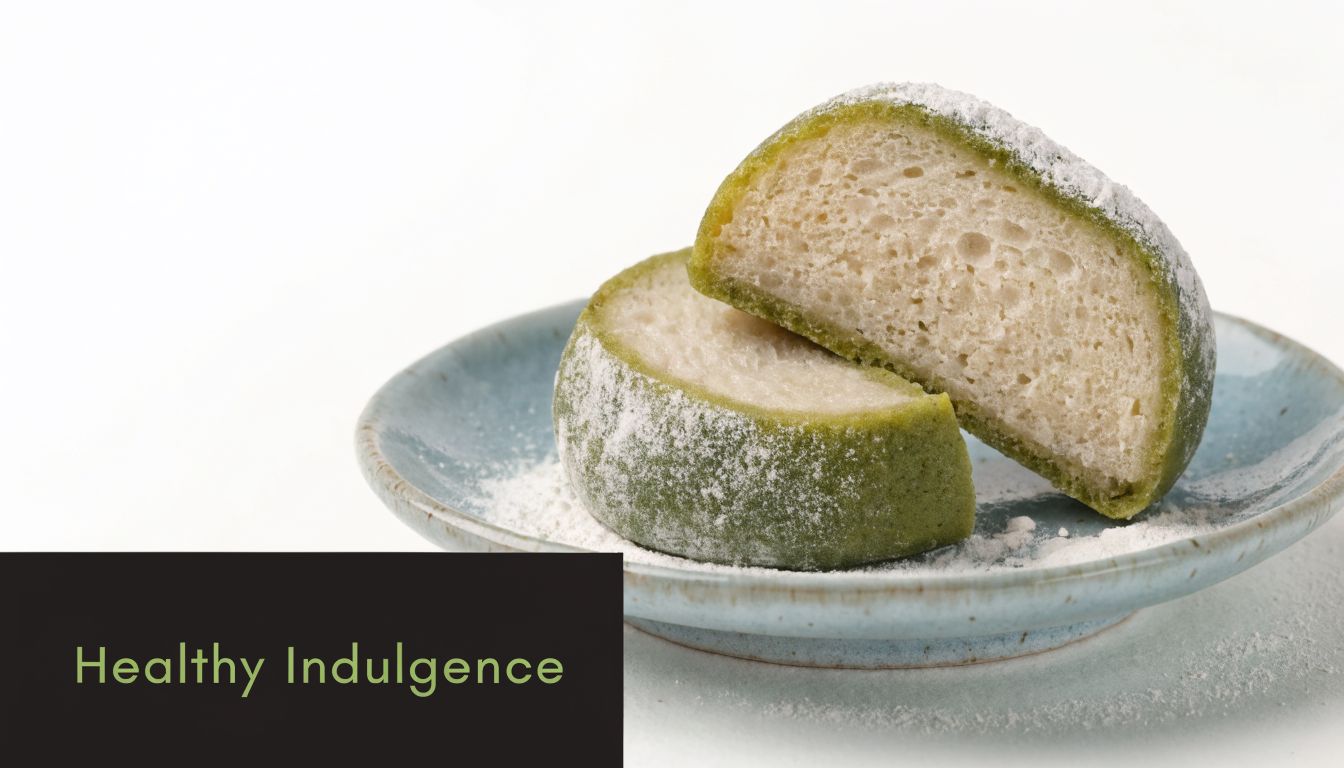
One reason matcha mochi has found a place in modern kitchens is that it can be adapted beautifully. You can keep it traditional with sweet bean paste, or make it lighter with fruit or a restrained ganache. You can also control the sugar level far more easily than you can with many bought sweets.
Why quality changes the result
Matcha isn't just there for colour. It shapes the whole personality of the dessert. A poor matcha gives you a dull khaki dough and a bitter finish. A fresher, better-made powder gives you brighter colour and a rounder, calmer flavour.
That's also why many tea drinkers care about origin and processing. If you want a deeper read on that side of matcha, Pep Tea's guide to the benefits of matcha green tea is a useful starting point.
Practical rule: If your matcha tastes unpleasant on its own, it won't magically improve once it's folded into dough.
What makes this style feel lighter
The “healthier” part isn't about pretending mochi is a salad. It's about making sensible choices that improve the eating experience. Use a clean-tasting matcha. Sweeten lightly. Choose fillings that bring contrast instead of extra heaviness. Keep the pieces modest, because mochi is at its best as a small, satisfying treat.
That approach gives you something special enough for guests and relaxed enough for an afternoon tea at home.
Gathering Your Mochi Making Essentials
Good mochi starts before the heat goes on. If the flour is wrong or the matcha is stale, no mixing trick will rescue the texture or flavour later.
A reliable matcha mochi recipe begins with glutinous rice flour. It contains no gluten. What it does contain is the starch balance that gives mochi its signature stretch and chew. Regular rice flour cooks up more brittle and chalky, so the dough cracks sooner and feels dry in the mouth.
In Australia, glutinous rice flour is easy to find in Asian grocers and many larger supermarkets. The label should clearly say glutinous rice flour or sweet rice flour. Different brands behave slightly differently, especially with water absorption, but any fresh bag from a busy shop usually performs well.
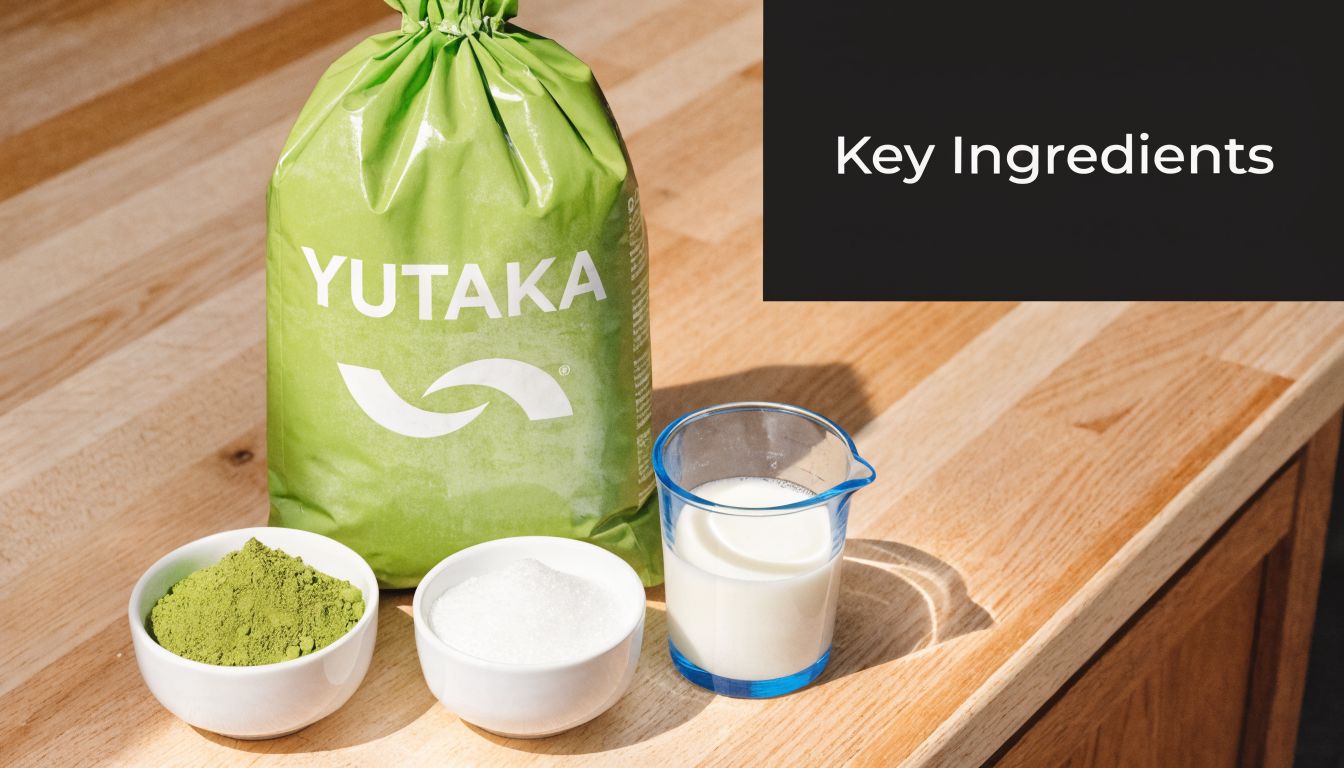
The ingredient list that works
For the dough, gather:
- Glutinous rice flour for the classic chew
- Matcha powder for flavour, colour, and aroma
- Sugar or a low-sugar alternative for a lighter, more balanced sweetness
- Water or milk depending on whether you want a cleaner or creamier finish
- A neutral oil, optional if you prefer a slightly softer bite
- Potato starch or cornflour for dusting during shaping
For fillings, keep the texture in mind as much as the flavour. Red bean paste is dependable. A thick fruit centre gives a fresher Australian-style feel. A firm white chocolate or dark chocolate ganache pairs beautifully with good organic matcha, but it needs to be chilled first so it does not melt into the dough. Very wet fillings are harder to seal and often break through after resting.
Why sourcing matters in Australia
Ingredient quality shows up fast in mochi. Fresh matcha gives you a cleaner green colour, a softer finish, and less bitterness, which matters even more in a recipe with relatively few ingredients. For a healthier homemade version, I prefer certified organic matcha with a bright aroma and a fine texture, because it blends more evenly and lets you keep the sugar lower without the dough tasting flat.
The same principle applies to the rest of the ingredient list. Use fresh flour, not a packet that has been sitting open in the cupboard for months. Choose a filling with enough body to hold its shape. Small decisions like that are what make homemade mochi feel polished instead of patchy.
If you like setting up properly before you start, a few basic tools from matcha tea accessories make prep cleaner and more consistent.
Sift the matcha and flour together before adding liquid. It prevents stubborn green specks and gives the dough a smoother finish.
The few tools worth pulling out
You do not need a specialist mochi kit. A simple home setup works well:
| Tool | Why it helps |
|---|---|
| Mixing bowl | Gives you room to whisk out lumps |
| Fine sieve | Helps the matcha blend smoothly through the flour |
| Silicone spatula | Handles sticky cooked dough better than a spoon |
| Microwave-safe or heatproof bowl | Use the one that suits your cooking method |
| Small scoop or knife | Makes portioning more even |
| Tray dusted with starch | Keeps shaping tidy and prevents sticking |
I also keep a bowl of extra starch nearby and lightly dust my hands as I work. It is the easiest way to stay in control of a sticky batch without drying the surface too much.
And because organised prep saves frustration in any hands-on job, this guide on how to pick a NZ axe follows the same practical approach to choosing tools that suit the task.
Crafting the Perfect Mochi Dough Two Ways
You mix the batter, the matcha smells fresh and grassy, and then the cooking test begins. Cook the dough too little and it tastes floury. Cook it too far and the chew turns tough. Good mochi sits in the middle. It should be glossy, elastic, and soft enough to stretch without tearing straight away.

The base dough formula
For a small batch, use:
- 200 g glutinous rice flour
- 1 to 2 tsp matcha powder
- Sugar to taste, or your preferred alternative
- Liquid until you have a smooth batter-like mixture
That amount of matcha gives most home batches enough tea character without pushing the dough bitter or chalky. I stay closer to 1 teaspoon for a softer, milder mochi, and closer to 2 teaspoons if I want a greener colour and a clearer tea finish. Using a good organic matcha helps here. You get cleaner flavour without needing to overload the dough.
The uncooked mixture should be looser than cake batter but thicker than milk. It should fall from the whisk in a ribbon. If it drops in heavy clumps, add a little more liquid. If it runs fast around the bowl, whisk in a touch more flour.
Microwave method for speed
The microwave is the fast option, and it works well if you stop and stir properly between bursts.
A practical microwave method for green tea mochi is shown in this guide to green tea mochi microwave timing, where the dough is cooked in short intervals with mixing in between to prevent raw spots and rubbery edges.
- Mix the dry ingredients first. Sift the flour and matcha together, then whisk in sugar.
- Add the liquid gradually. Stir until the batter is smooth and lump-free.
- Microwave in short bursts. Start with 1 minute, then stir well, scraping the thicker edges into the middle.
- Repeat and watch the texture. The dough will look patchy before it comes together.
- Stop once it turns glossy and cohesive. There should be no puddle of thin liquid hiding underneath.
If part of the dough looks clear and sticky while another part still looks pale, stir hard before adding more heat. Uneven cooking often fixes itself with one thorough mix.
Here's a useful visual walkthrough before you try it yourself:
Stovetop method for control
The stovetop method takes longer, but it gives you more control over the finish. I prefer it when I am using less sugar or testing a new filling, because the dough tightens more gradually and is easier to judge by feel.
- Start with the smooth batter in a non-stick saucepan, or set a heatproof bowl over simmering water.
- Stir steadily with a silicone spatula.
- As the heat builds, the mixture will shift from loose and opaque to sticky and stretchy.
- Keep folding and pressing until it forms one smooth mass and pulls away from the sides.
This method suits a modern lighter-style mochi because you can stop at the moment the dough is cooked through but still supple. That matters if you want a cleaner tea flavour and a less sugary finish, which is closer to the Australian café style many home bakers are after.
What works and what doesn't
Both methods make good mochi. The better choice depends on how you like to cook.
- Microwave works best for a quick batch and easy cleanup.
- Stovetop works best if you want more control over texture.
- Extra matcha can dry the dough slightly and make bitterness more obvious, especially with lower-grade powder.
- Sugar affects texture as well as flavour. Cut it too far and the dough can feel firmer and less plush.
Quick comparison
| Method | Best for | Risk |
|---|---|---|
| Microwave | Speed and ease | Overcooked edges if not stirred well |
| Stovetop | Even cooking and feel | Tiring stirring and sticking if neglected |
Once the dough is cooked, tip it onto a well-dusted surface and let it cool just enough to handle. Warm mochi is easier to portion, easier to wrap, and much more forgiving than dough that has gone cold.
Delicious Fillings From Classic to Creative
The outer layer gets the attention first, but the filling is what makes each piece memorable. A great filling gives contrast. Mochi is chewy and mild, so the centre should either bring creaminess, softness, or a clean burst of flavour.
Classic anko, or sweet red bean paste, is still one of the best choices. It has enough body to hold its shape, and its earthy sweetness sits naturally beside matcha. If you're using ready-made anko, chill small spoonfuls first so they're easier to wrap.
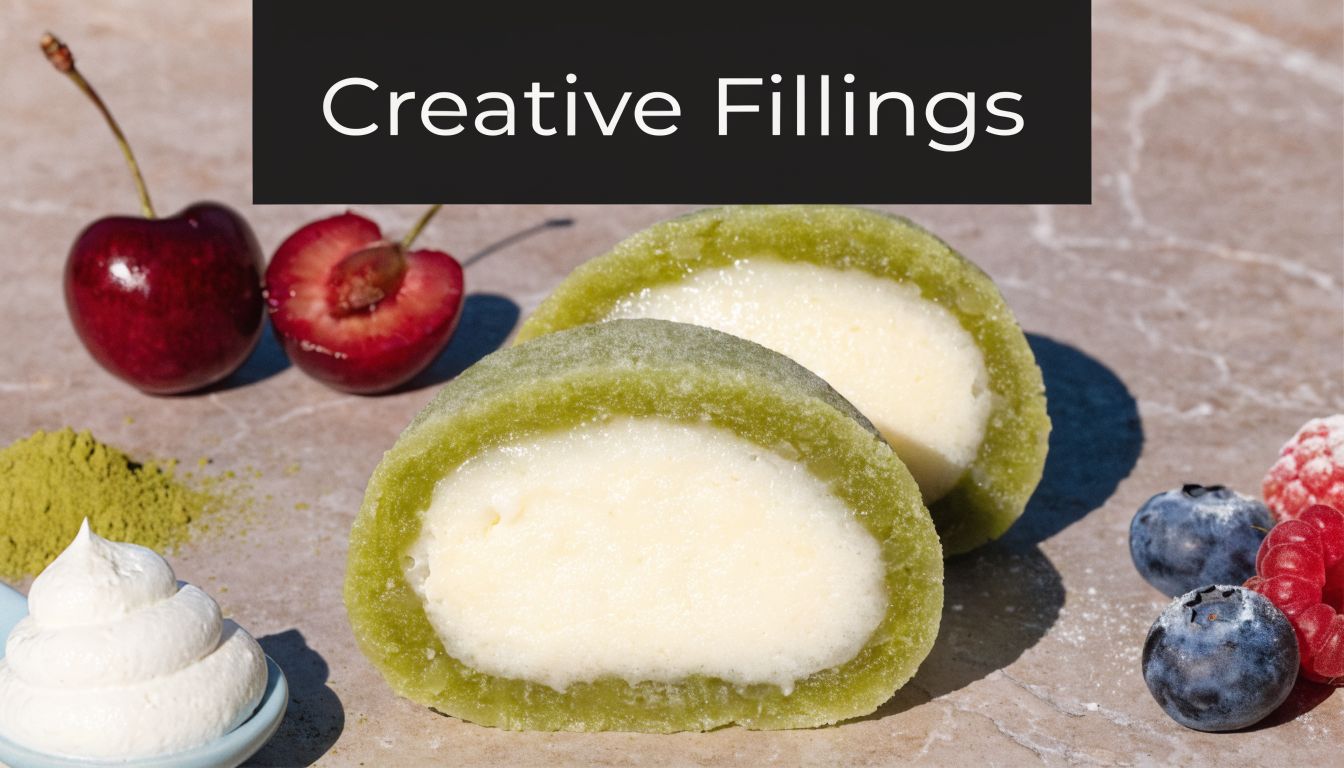
Three filling directions that suit this dough
Traditional and balanced
Red bean paste gives you the most classic flavour story. It keeps the dessert grounded and not overly rich. This is the option to choose if you want the matcha itself to stay in the lead.
Creamy and richer
A firm white chocolate ganache with a little extra matcha folded through it creates a more dessert-like centre. The dairy sweetness softens the tea's savoury edge and gives a smooth contrast to the chewy shell. Make it thick, then chill or portion it before wrapping.
A filling should be cool, thick, and calm. If it slumps on the bench, it's too soft for easy shaping.
Fresh and lighter
If you want something brighter, use a thick strawberry purée, a nut butter, or a softly set fruit centre. These versions feel a bit more modern and work well when you're serving mochi with tea in the afternoon rather than as a heavy dessert after dinner.
Low-sugar filling ideas that still taste finished
Not every lighter filling tastes satisfying. Some taste reduced. Better options are the ones that replace sweetness with flavour or texture:
- Roasted strawberry centre because cooked fruit tastes fuller than raw purée.
- Unsweetened nut butter with a pinch of salt because it adds depth.
- Reduced-sugar ganache because fat and matcha together still create a rounded finish.
- Mashed red bean with restrained sweetening because it keeps the classic profile intact.
The key is firmness. Whatever filling you choose, portion it first and chill it. That one step makes assembly dramatically easier.
Assembling Storing and Troubleshooting Your Mochi
Freshly cooked mochi dough is sticky enough to test anyone's patience. That's normal. The answer isn't more flour in the dough. The answer is a well-dusted work surface and quick, confident hands.
Potato starch is especially useful here because it coats the exterior without being absorbed too quickly. Dust your tray, your fingers, and the dough lightly. You want enough to stop sticking, but not so much that the outside feels dry and chalky.
How to shape it neatly
- Portion the warm dough once it's cool enough to touch.
- Flatten one piece into a small round disc with dusted fingers.
- Place the chilled filling in the centre.
- Lift and pinch the edges together until the filling is enclosed.
- Turn it seam-side down and gently round it in your hands.
If the dough tears, the disc was probably too thin in the middle or the filling was too large. If the dough keeps sticking, pause and dust your fingers again rather than fighting it.
Common texture problems
A few problems show up again and again in home kitchens:
- Hard mochi usually means the dough was cooked too long or made with too little liquid.
- Wet, pasty mochi means it needed more cooking or better stirring during cooking.
- Dull green colour can happen when matcha is overheated.
- Leaking filling often means the centre was too soft or the wrapper too thin.
Warm mochi is forgiving. Cold mochi is less so. Shape it while it still has some softness and flexibility.
Storing it without ruining the texture
Mochi is best the day it's made. That's when the chew is at its peak and the outer layer is still supple. If you need to store it, place the pieces in an airtight container with a little space between them and keep them cool.
Avoid leaving them uncovered. They dry out fast. If they firm up, let them sit briefly at room temperature before serving so the texture relaxes a little.
Serving ideas are simple. Dust with extra starch or a touch of matcha, plate with berries, or pair with plain tea so the flavour stays clear.
Perfect Pairings and Café Considerations
A plate of soft matcha mochi lands very differently once the drink beside it is right. Serve it with something too sweet or too heavy, and the gentle bitterness of the tea disappears. Give it a clean, refreshing pairing, and the mochi tastes greener, fresher, and far more polished.
I like to pair matcha mochi the same way I build the recipe itself. Keep the flavour clean, let the tea lead, and avoid anything that fights the chewy texture.
Pairings that make sense
At home, three pairings work especially well.
- A bowl of straight matcha for a focused tea experience and a more traditional finish.
- An iced matcha drink for a softer, more modern café-style serve.
- A dry, crisp kombucha for brightness, especially if your filling is richer, such as white chocolate, sweet red bean, or a cream-based centre.
If you want the iced option, this guide on how to make an iced matcha latte is a good place to start. A lighter latte works better than a very milky one, because it keeps the mochi from feeling heavy.
This is also where ingredient quality shows up clearly. Organic matcha with a clean finish gives you more room to pair with fruit, sparkling drinks, or cultured flavours without turning the whole plate bitter.
Why cafés are paying attention
Matcha mochi suits the way many Australian cafés serve now. It is small, visually sharp, easy to portion, and flexible enough to sit beside tea, coffee alternatives, or non-alcoholic drinks. It also gives cafés a dessert that feels a little lighter than a cake cabinet staple, especially when the ingredients are clean and the sweetness is kept in check.
That healthier café angle matters. A modern Australian-style version can use certified organic matcha, modest sweetness, and naturally gluten-free ingredients by profile. The result still feels indulgent, but not overly rich.
For cafés, the practical appeal is straightforward:
| Benefit | Why it matters |
|---|---|
| Visually distinctive | The green colour stands out in a cabinet and photographs well |
| Naturally portioned | Easy to sell as a premium single serve |
| Flexible pairing | Works with matcha, hojicha, kombucha, and other non-alcoholic options |
| Gluten-free by ingredient profile | Useful for many menus, with cross-contamination handled separately in the kitchen |
Menu strategy beyond the plate
Good café mochi needs more than a nice recipe. It needs a clear place on the menu. Pair it with one drink that makes sense, describe the filling properly, and give staff a simple way to recommend it.
Digital menus can help with that. A QR menu can show the mochi beside its best drink match, explain the flavour in a few words, and prompt an easy add-on. For operators trying to improve restaurant table scan rates, that setup is worth studying.
The best version is usually the simplest. One soft, chewy matcha mochi made with good organic tea, one filling with contrast, and one thoughtful drink pairing will outperform an overloaded dessert plate almost every time.
If you're ready to make your own matcha mochi with cleaner flavour and a vibrant green finish, explore Pep Tea for organic matcha and Australian-brewed kombucha that suit both home kitchens and café menus beautifully.
The post Easy Matcha Mochi Recipe: Chewy and Authentic for 2026 appeared first on Pep Tea.
[ad_2]
Source link