
[ad_1]
You’ve probably noticed it already. You grab a coffee in Surry Hills, wander through Newtown, or meet a friend near Bondi, and suddenly half the tables around you are holding bright green drinks instead of flat whites. Some look smooth and elegant. Others look sugary, pale, and more like dessert than tea. If you’re curious about the matcha cafe sydney scene, you’re not alone.
A lot of Sydneysiders are in the same spot. They want to know which cafés are worth trying, why one matcha tastes silky and sweet while another tastes harsh, and whether the higher price means better quality. Café owners are asking a similar question from the other side of the counter. Is matcha just a trend, or is it now a serious menu category that deserves proper sourcing and staff training?
Welcome to Sydney’s Matcha Moment
Walk through the inner city at the right time of day and the signs are hard to miss. Iced matcha in takeaway cups. Strawberry matcha on specials boards. Baristas whisking bright green powder with the same care they’d usually reserve for a single-origin espresso. That change didn’t happen overnight.
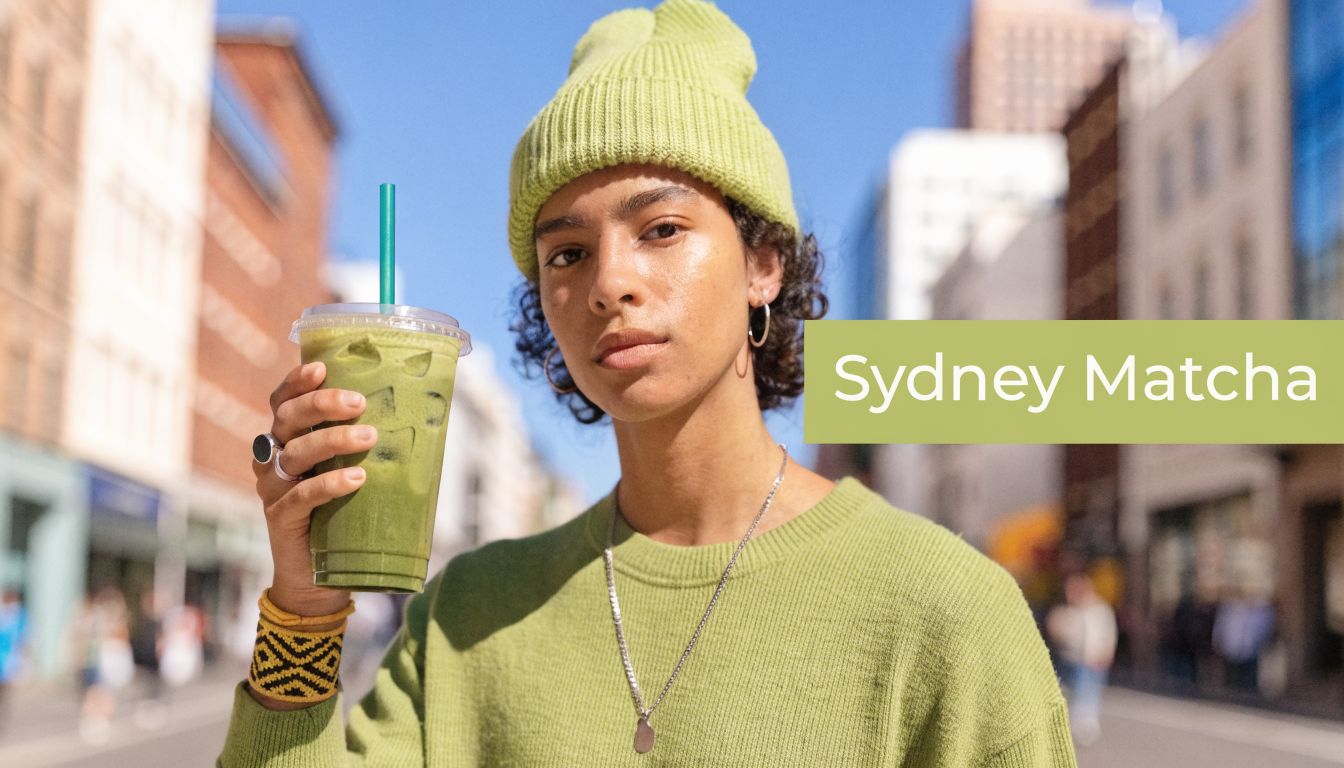
The shift became especially noticeable when Australia’s matcha trend accelerated during 2024 to 2025, with interest surging over the six months leading up to late 2025 according to Tony Kwok of Qualitea in Sydney’s Strand Arcade, and premium Sydney matcha drinks typically landing in the $6 to $12 range, as reported by Salience Eats Sydney’s look at Australia’s matcha mania.
That explains why so many people feel slightly behind. Matcha used to sit in the “wellness niche” corner. Now it’s part of everyday café culture. You can still find the mindful, ceremonial side of it, but you’ll also see it folded into the daily Sydney rhythm of brunch, takeaway, beach walks, and afternoon catch-ups.
Why the local buzz feels bigger now
Sydney has a way of turning a food trend into a neighbourhood habit. Once a drink lands in the right cafés, gets shared across social feeds, and starts appearing in a few creative forms, it stops being “something new” and starts becoming normal. That’s exactly what happened with matcha.
The interesting part isn’t only that more cafés serve it. It’s that more customers now expect it to be done properly. They’re noticing colour, taste, texture, milk balance, sweetness, and whether the café can say anything meaningful about where the matcha came from.
Sydney drinkers aren’t just ordering matcha for the colour. They’re learning to tell the difference.
Why this guide matters
Most round-ups tell you where to go. That’s useful, but it’s not enough if every green drink gets called matcha without much discussion of grade, freshness, or preparation. A good matcha cafe sydney guide should help you make smarter choices, not just longer lists.
If you’re a customer, that means knowing how to order confidently and spot quality. If you run a café, it means understanding what separates a forgettable matcha latte from one people return for.
What Exactly Is Matcha and Why Is It So Special
Matcha is often described as powdered green tea, and that’s technically true. But it misses the point.
What makes matcha special is the way it’s grown, processed, and prepared. Instead of steeping leaves and throwing them away, you whisk the finely ground tea itself into water or milk and drink the whole leaf. That gives matcha a richer body, a more layered flavour, and a different drinking experience from a standard green tea bag.

It’s not just “green tea, but trendy”
Beginners often get confused here. They assume any green powder is matcha, or that all matcha is basically the same. It isn’t.
Good matcha starts with tea leaves that are handled very differently from ordinary green tea. The powder should be fine, fresh-looking, and easy to whisk. The flavour should have some softness and depth, not just bitterness.
If you want a deeper primer on the basics, Pep Tea has a straightforward explainer on what matcha powder is.
Two grades you’ll see most often
The simplest way to understand matcha grades is to think about purpose.
| Grade | Best use | What it’s like |
|---|---|---|
| Ceremonial grade | Straight whisked matcha, premium lattes | Smoother, more delicate, more pleasant on its own |
| Culinary grade | Baking, smoothies, desserts, blended drinks | Stronger, more assertive, designed to mix with other flavours |
Ceremonial grade is the one people usually mean when they talk about a refined café matcha. It’s meant to stand on its own or carry a latte without needing heaps of sweetener.
Culinary grade has a different job. It needs enough presence to cut through milk, chocolate, syrups, or baking ingredients. That doesn’t make it bad. It just means it’s designed for a different context.
A simple way to remember it
A useful analogy is this:
- Ceremonial grade is like a bottle you’d happily pour for guests on its own.
- Culinary grade is like an ingredient you choose because it still performs well once other flavours join in.
Where people get disappointed is when a café charges premium prices for a drink made with powder that tastes flat, gritty, or heavily sweetened to hide bitterness. The menu might say “matcha”, but that single word doesn’t tell you much about quality.
Good matcha should taste intentional. If a drink only works once syrup is added, the powder may not be doing much of the heavy lifting.
Why Sydney drinkers care
Matcha sits at the intersection of flavour, ritual, and function. Some people love the grassy, umami edge. Some want a coffee alternative that feels smoother. Others enjoy the calm pace of a drink that asks for a bit more attention.
That’s why the best Sydney cafés treat matcha as its own category, not just a green add-on. When a barista understands grade, temperature, whisking, and balance, the result tastes completely different.
Navigating the Menu at a Sydney Matcha Cafe
A Sydney matcha menu can look simple until you’re standing at the counter trying to decide whether you want a hot latte, iced strawberry matcha, or a traditional bowl. If you’re new to it, the easiest way to order well is to think in terms of style, sweetness, and setting.
Start with the style of drink
Most cafés will serve matcha in one of a few broad formats.
-
Traditional whisked matcha
This is the purest option. Matcha is whisked with water, not drowned in milk or syrup. If you want to taste the tea itself, this method provides the quickest understanding. -
Hot matcha latte
This is the entry point for many people. Milk softens the grassy notes and makes the drink feel familiar, especially if you’re coming from coffee. -
Iced matcha latte
Sydney weather makes this one a staple. A good iced version should still taste like tea, not just cold milk with a faint green tint. -
Creative specials
Strawberry matcha, coconut versions, layered drinks, and dessert-style pours are common in trend-forward cafés. These can be fun, but they vary wildly in balance.
Know what to ask for
You don’t need to sound like a tea judge. A few simple questions will tell you a lot.
- Ask if it can be unsweetened. A confident café usually won’t panic at this request.
- Ask which milk works best. Some baristas will have a clear recommendation because they’ve tested the balance.
- Ask whether the matcha is more delicate or stronger. Even if they don’t use formal grade language, their answer can reveal how much they understand the product.
- Ask if it’s whisked fresh. Fresh preparation usually gives you better texture.
What different neighbourhoods tend to offer
Sydney’s geography shapes the experience. The city’s inner suburbs account for 48% of cafés and lead specialty beverage adoption, especially in places such as Surry Hills, Newtown, and Paddington, according to Coffee Analytica’s overview of Sydney café distribution. Those neighbourhoods draw customers who actively seek quality and are willing to explore drinks beyond standard coffee.
That’s why matcha-focused venues show up so often in these pockets. Names mentioned in that same source include Parami in Surry Hills and Sunday’s Bondi. Even without memorising a list of addresses, the pattern matters. If you’re hunting for a stronger matcha offering, inner-suburban café strips usually give you better odds than a generic convenience stop.
Ordering based on your taste, not the trend
If you’re not sure where to begin, this rough guide helps.
| If you usually like | Try this first | Why it works |
|---|---|---|
| Flat whites or cappuccinos | Hot matcha latte | Familiar texture, gentler introduction |
| Cold brew or iced coffee | Iced matcha latte | Refreshing and clean |
| Green tea or less sweet drinks | Traditional whisked matcha | Lets the tea speak |
| Desserts and sweet café drinks | A creative matcha special | Easy entry, but quality varies |
Common mistakes first-timers make
Some disappointments aren’t about the café. They come from ordering a style that doesn’t suit your palate.
- Choosing a layered novelty drink first can make it hard to know whether you like matcha itself.
- Judging all matcha by one bad latte is another trap. Poor powder or poor preparation can flatten the experience.
- Expecting coffee flavour sets you up for confusion. Matcha is grassy, savoury, creamy, and sometimes gently sweet. It’s a different language.
Order your first cup as simply as you can tolerate. The simpler the drink, the easier it is to learn what the café is serving.
A practical first-order strategy
If you’re walking into a new matcha cafe sydney spot for the first time, this is a sensible approach:
- First visit. Try a regular hot or iced latte with minimal sweetness.
- Second visit. Order it unsweetened or ask for the house-preferred version.
- Third visit. If the café seems serious about tea, try it with water rather than milk.
By then, you’ll know whether you love the place or just loved the Instagram colour.
How to Spot Authentic High-Quality Matcha
The Sydney matcha conversation takes a more interesting turn. Plenty of cafés can make a drink that looks appealing. Far fewer tell you much about the powder itself.
That matters because quality starts long before the whisk touches the bowl. A café can have beautiful ceramics, soft lighting, and a queue out the door, yet still serve matcha that’s stale, overly bitter, or chosen mainly for cost and colour.
What your eyes can tell you first
The first clue is the powder itself, if you can see it, or the colour in the finished drink.

High-quality matcha usually looks vivid and lively. Low-grade powder often drifts into dull green, olive, or yellowish territory. In milk, the colour will soften, but it should still look fresh rather than murky.
Texture tells a similar story. Fine matcha should whisk smoothly and feel almost creamy on the tongue. Coarser powder can taste dusty or gritty, especially when the drink cools down.
The taste test matters more than the colour
A bright colour helps, but flavour is the ultimate giveaway.
Good matcha often has a gentle umami character. You might notice grassy notes, some natural sweetness, and a rounded finish. Poorer matcha tends to hit with aggressive bitterness or dryness, which is why some cafés bury it under vanilla syrup, strawberry puree, or sweet cream.
Use this simple comparison if you’re unsure:
| Quality marker | Higher-quality matcha | Lower-quality matcha |
|---|---|---|
| Colour | Bright, fresh green | Dull, muddy, yellow-green |
| Texture | Fine and silky | Coarse or chalky |
| Aroma | Fresh, vegetal, softly sweet | Flat, stale, or harsh |
| Taste | Umami, smooth, balanced | Bitter, sharp, one-note |
| Aftertaste | Clean and lingering | Drying or unpleasant |
Here’s a helpful visual guide before you order or buy.
Why shade-grown matcha stands out
The biggest quality clue isn’t always visible on the menu. It’s how the tea was grown.
In top Sydney cafés, premium shade-grown organic matcha can reach EGCg antioxidant levels of up to 137 mg/g, compared with 60 to 80 mg/g in standard varieties. The same source notes that pre-harvest shading also boosts L-Theanine, creating a synergy associated with calm focus over 4 to 6 hours, and links this quality difference to repeat customer behaviour in Sydney’s competitive café market, according to Eat Drink Play’s Sydney matcha coverage.
For everyday drinkers, the science matters because you can feel the difference in the cup. Shade-grown matcha tends to taste softer and deeper. It often feels steadier too. That’s part of why people who switch from rushed coffee habits to good matcha often talk about a more even experience.
Practical rule: if a café can explain whether its matcha is shade-grown, organic, and selected for flavour rather than just colour, that’s a strong sign it takes the category seriously.
Questions worth asking at the counter
A lot of Sydney guides focus on aesthetics, but the primary issue is transparency around sourcing, grade, and preparation. That gives you a chance to ask better questions.
Try a few of these:
- Where is the matcha sourced from? Clear origin is better than vague answers.
- Is it ceremonial or culinary? The right answer depends on the drink, but the staff should understand the difference.
- Do you whisk each drink fresh? Fresh whisking improves texture.
- Do you sweeten it by default? This tells you whether the café expects the tea to stand on its own.
If the answer to every question is hazy, the matcha probably isn’t the star product.
Signs a café respects the tea
You don’t need a formal tea ceremony to get a good result. But serious cafés tend to share certain habits.
- They store matcha carefully. Light, heat, and air dull flavour.
- They sift before whisking. This helps prevent clumps.
- They use water that isn’t too hot. Overheating can push bitterness forward.
- They talk about flavour, not just wellness. Good matcha is first a delicious ingredient, then a functional one.
A quality-focused café usually doesn’t need to oversell. The drink speaks for itself.
Why sourcing transparency matters in Sydney
This is the part many customers have been waiting for without realising it. Sydney’s matcha scene has become stylish very quickly, but style alone doesn’t protect quality. The more mainstream matcha becomes, the easier it is for cafés to treat all green powder as interchangeable.
That’s where careful sourcing changes everything. When a café chooses authentic organic matcha with a clear purpose, trains staff to prepare it properly, and explains the difference to customers, the category becomes more than a trend. It becomes part of a long-term beverage identity.
Creative Pairings for Matcha and Kombucha
Matcha doesn’t have to sit alone on a menu. In a modern Sydney café, it works beautifully beside food, pastries, and alcohol-free drinks that share the same fresh, functional feel.

Pairings that make flavour sense
Matcha has a layered profile. It can be grassy, creamy, savoury, soft, and slightly sweet. That means it pairs best with foods that either echo its calm richness or cut through it cleanly.
A few combinations work especially well:
- Mochi or lightly sweet rice cakes because they don’t overpower the tea.
- Yuzu or citrus tarts because acidity brightens matcha’s deeper notes.
- Buttery pastries because the fat rounds out the tea’s grassy edge.
- Sesame desserts because nutty flavours sit comfortably beside umami.
- Simple savoury bites such as egg sandwiches or mushroom toast, which can make a whisked matcha feel surprisingly natural.
Where kombucha fits in
Kombucha belongs in the same conversation because it offers a different kind of refreshment. Matcha is grounding and creamy. Kombucha is lifted and lively. Together they create a strong non-alcoholic pairing language for cafés and home drinkers.
If you’re curious about how these two drinks support a broader tea ritual, Pep Tea has a useful piece on green tea benefits across matcha and kombucha.
Easy pairing ideas for home or café menus
| Matcha item | Pair it with | Why it works |
|---|---|---|
| Iced matcha latte | Ginger kombucha | Spice and acidity sharpen the finish |
| Hot ceremonial matcha | Plain mochi | Lets the tea stay centre stage |
| Matcha brownie | Lime or citrus-forward kombucha | Fresh contrast against richness |
| Matcha mousse | A drier kombucha style | Keeps the dessert from feeling heavy |
A good pairing doesn’t need more sugar. It needs contrast, balance, and enough restraint to let the matcha stay recognisable.
A useful idea for Sydney cafés
Many venues still treat matcha as a single drink and kombucha as a fridge add-on. There’s more potential than that. A café can build a whole “clean energy” section that includes a straight matcha, a house matcha latte, and a kombucha pairing chosen for contrast.
That approach works just as well at home. If your afternoon usually swings between a second coffee and something sweet, a matcha and kombucha pairing can feel more considered without becoming fussy.
A Cafe Owner’s Guide to Adding Matcha to Your Menu
For café owners, matcha is no longer just a courtesy option for the one customer who doesn’t drink coffee. Sydney customers are paying more attention to it, and many are starting to ask the right questions.
The opportunity is clear because so much current café coverage still centres on aesthetics while leaving out grade, sourcing, and preparation. That transparency gap gives venues a practical way to stand apart, as noted in this discussion of matcha quality and sourcing transparency in Sydney cafés.
Start with a clear menu role
Don’t add matcha because other cafés have it. Add it because you know what role it plays in your offer.
A simple framework helps:
- Signature drink role. A carefully made hot or iced matcha latte with clear sourcing details.
- Functional beverage role. A calmer alternative for customers who don’t want another coffee.
- Kitchen ingredient role. Matcha for baking, soft serve, cookies, slices, or specials.
If you try to do all of that with one powder, quality and consistency usually suffer.
Match grade to application
Many venues cut corners, buying one product and forcing it into every format.
That rarely works well.
- Use ceremonial-grade matcha for straight service and premium lattes where the tea flavour is exposed.
- Use culinary-grade matcha for baking, desserts, smoothies, and recipes where it needs to carry through other ingredients.
For cafés that need a practical supply format for recipes and batch use, bulk buy culinary grade organic matcha is the sort of category worth evaluating alongside your existing supplier options.
Train staff on a few non-negotiables
Your barista doesn’t need to become a tea historian. They do need a repeatable method.
Focus on these points:
-
Sift the powder
Clumps create a rough texture and uneven flavour. -
Use appropriate water temperature
Water that’s too hot can make the drink taste harsher than it should. -
Whisk properly before adding milk
A smooth base matters more than latte art. -
Set one house recipe
If one barista serves a pale, sweet drink and another serves a dense, earthy one, customers won’t know what your café stands for. -
Teach one short sourcing script
Staff should be able to answer basic questions about grade, origin, and whether the drink is sweetened.
Customers remember inconsistency faster than they remember novelty.
Write the menu like a specialist, not a trend chaser
A generic menu line that says “matcha latte” leaves too much unsaid. Better wording tells the customer why your version is worth ordering.
You don’t need hype. You need clarity.
Try including:
- the grade or intended style
- whether it’s organic
- whether it’s served unsweetened by default
- whether it’s whisked fresh
- any thoughtful pairing you recommend
That kind of detail builds trust quickly, especially for customers who’ve had disappointing matcha elsewhere.
Show the drink properly
Once you’ve improved the product, present it like it matters. Many cafés lose interest at the exact point where they should communicate quality.
That includes:
- cleaner visual merchandising on the counter
- a visible whisking setup where practical
- menu boards that explain the difference between straight matcha and a latte
- product photography that looks natural rather than overly filtered
If your team is building social content around drinks, practical resources on high-quality food visuals for restaurants can help sharpen how your menu appears online without turning the whole brand into a gimmick.
Don’t ignore kombucha on the same menu
A strong non-alcoholic program often works better when matcha isn’t standing alone. Kombucha gives you another fridge-ready option for customers seeking something lighter, fermented, or less coffee-driven. It also opens the door to bundles, pastry pairings, and grab-and-go combinations.
That matters because customers who care about matcha quality often care about ingredient integrity more broadly. They notice whether a venue has a coherent point of view.
What café owners often get wrong
Some common mistakes are easy to avoid.
| Mistake | What happens | Better move |
|---|---|---|
| Buying the cheapest green powder available | Colour may look fine, flavour won’t hold up | Source for flavour first |
| Oversweetening every drink | Customers can’t taste the tea | Offer unsweetened as standard |
| No staff language around origin or grade | Trust drops quickly | Prepare a short, consistent script |
| Treating matcha as seasonal novelty | No menu identity forms | Keep one core matcha drink all year |
The cafés that do well with matcha usually make one quiet decision. They stop treating it like a decoration and start treating it like a serious beverage category.
Your Next Great Cup Awaits
Sydney’s matcha scene is exciting because it’s no longer one thing. It’s a quick iced latte on a warm day, a careful whisked bowl in a quiet corner café, a premium menu addition for hospitality operators, and a sign that drinkers are becoming more ingredient-aware.
For customers, the biggest shift is confidence. Once you know what to look for, you stop being impressed by colour alone. You start noticing texture, bitterness, freshness, balance, and whether the café can tell you something useful about the tea.
For café owners, the opportunity sits in that same knowledge gap. Plenty of venues can copy the look of matcha. Fewer can explain the grade, prepare it well, and build trust around sourcing. That’s where lasting value sits.
A good matcha cafe sydney experience doesn’t need to be complicated. It just needs care. Better powder. Better preparation. Better questions.
The next time you see a green drink on a Sydney table, you’ll know what might be inside the cup, and what should be.
If you’d like to keep exploring, Pep Tea offers organic matcha, educational guides, and options for both home drinkers and hospitality venues looking to build a more thoughtful functional beverage range.
The post Best Matcha Cafe Sydney: 2026 Guide appeared first on Pep Tea.
[ad_2]
Source link