

[ad_1]
You buy a beautiful tin of matcha. The colour is vivid, the aroma is sweet and grassy, and you expect that silky café-style bowl you’ve been craving. Then you pour in water from a standard kettle, whisk, sip, and get bitterness, clumps, and a flat finish.
That disappointment usually isn’t the tea. It’s the temperature.
The fellow stagg ekg electric kettle matters because premium tea is sensitive. A few degrees too hot can push a delicate brew from creamy and umami-rich into sharp and overdone. For tea drinkers who care about flavour, texture, and getting the best from good ingredients, a precision kettle changes the ritual completely.
The Difference Between Good Matcha and Great Matcha
A lot of people assume matcha is difficult. It isn’t. What’s difficult is getting consistent results when your only water option is “not quite boiling” or “probably cooled down enough”.
That’s where many morning routines go wrong. A basic kettle boils water hard, then you wait and guess. Some days you wait too little, and the matcha tastes rough. Other days you wait too long, and the bowl tastes thin. The same tea can seem moody when the tool is the problem.
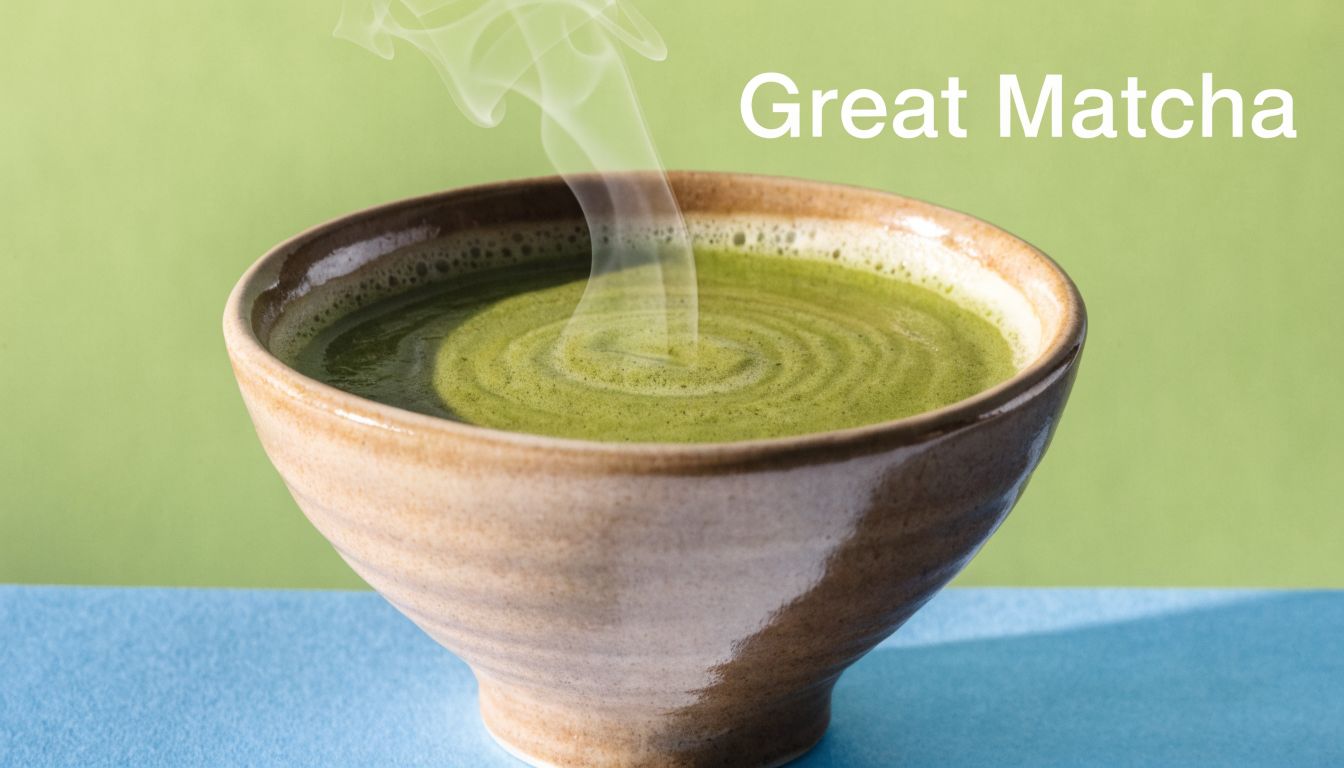
High-grade matcha rewards precision. If you’ve ever wondered why one bowl tastes sweet, creamy and rounded while another turns bitter, water is often the missing variable. The quality differences people notice when comparing ceremonial and culinary matcha become even clearer once temperature is controlled well. If you want a quick refresher on those distinctions, Pep Tea’s guide to different grades of matcha is a helpful place to start.
What great matcha feels like
When the water is right, a bowl of matcha becomes much more forgiving and much more enjoyable. You notice:
- Softer umami that sits on the palate instead of disappearing fast
- Less bitterness because the leaf isn’t pushed too hard
- Better texture with a smoother foam and fewer stubborn clumps
- A cleaner finish that makes you want another sip straight away
Great matcha doesn’t come from luck. It comes from repeating the same good conditions.
A precision kettle turns those good conditions into something reliable. Instead of guessing, you choose the temperature that suits the tea and repeat it every day. That’s the difference between making matcha occasionally and making it well enough that it becomes part of your routine.
Meet the Fellow Stagg EKG Electric Kettle
It is 7:15 on a Sydney morning. You scoop PepTea’s organic matcha, heat your water, whisk, sip, and get two completely different bowls on two different days. One tastes sweet and creamy. The other comes out flat or a little sharp. If your matcha is good and your whisking is sound, the weak point is often the water.
That is the problem the fellow stagg ekg electric kettle solves. It gives you repeatable heat and a controlled pour, so your daily tea ritual depends less on guesswork and more on choices you can repeat.
For Australian tea drinkers, that matters more than many coffee-first reviews admit. Water in Melbourne is famously softer than water in many parts of Sydney, and that changes how tea feels in the cup. Harder water can make bitterness show up faster. Softer water can let sweetness and umami come through more clearly. A kettle cannot change your tap water, but it can stop temperature from becoming a second variable. That stability protects the delicate character of premium matcha instead of pushing it around.
What makes it different
The Stagg EKG works like a steady hand in the background. You set the temperature you want, and the kettle holds close to it rather than racing past and forcing you to wait. In practical terms, that means fewer scorched green teas, less waiting around for boiled water to cool, and a much better chance of preserving the soft, focused feel people seek from compounds like L-Theanine and catechins such as EGCg in high-quality matcha.
Its gooseneck spout matters too. For matcha, a careful pour helps you add water gradually, wet the powder evenly, and avoid stubborn dry pockets that turn into clumps. That gives you a smoother bowl and a finer foam, especially if you follow a proper matcha whisking technique for a smooth, frothy bowl.
The hold setting is useful in busy real life. If the phone rings, breakfast runs late, or you are making tea for two, your water can stay ready instead of drifting away from the temperature you chose. In homes where voltage can fluctuate or mornings feel rushed, that kind of consistency removes a lot of friction.
A built-in timer also helps more than it may seem. Tea is full of small repeatable actions. How long you steep. How long you whisk. How long the water sits before a second pour. The timer gives structure to those steps, which is one reason the kettle has become popular well beyond pour-over coffee. If you are curious about the broader science of optimal water temperature for brewing, the same logic applies here, even though tea asks for a gentler touch.
Why tea drinkers care
A standard kettle treats every hot drink as if boiling is close enough. Tea is less forgiving than that, especially matcha. You are drinking the whole leaf, so rough handling shows up directly in flavour and mouthfeel.
The Stagg EKG is useful because it turns precision into a habit. Instead of reacting to water that is too hot, too cool, or pouring too fast, you start with conditions that suit delicate tea from the beginning. For premium matcha, that can mean a bowl with more sweetness, rounder umami, less edge, and better protection for the compounds you bought the tea for in the first place.
For a home kitchen, that makes the ritual calmer. For a café, it makes results easier to repeat across staff and across busy service. In both settings, the kettle earns its place by helping good tea stay good.
Why Temperature Is Everything for Tea and Matcha
You whisk a bright green bowl of PepTea matcha before work. One morning it tastes sweet, creamy, and calm. The next, using the same tin, it turns grassy and sharp. In many Australian kitchens, the difference is not the tea. It is the water.
Temperature decides how quickly flavour compounds leave the leaf and how those compounds show up in the cup. With matcha, that matters even more because you are drinking the whole leaf in powdered form rather than pouring water through leaves and discarding them. If the water is too hot, delicate sweetness fades, bitterness steps forward, and some of the compounds people seek out in premium organic matcha, including L-Theanine and EGCg, are exposed to harsher conditions than they need.
For Australian tea drinkers, there is another layer. Water behaves differently from city to city. Sydney and Melbourne can have noticeable variation in hardness, and harder water already changes how sweetness, minerality, and astringency come across. Add overheated water on top of that, and a beautiful matcha can taste flatter or rougher than it should. Precise temperature control helps reduce one big variable, so you are not fighting both the kettle and your local tap water at the same time.
The sweet spot for delicate teas
Premium matcha usually shines with gentler water, often around 80°C. That range coaxes out umami, soft sweetness, and a smoother finish instead of forcing the tea into bitterness. Green tea behaves similarly. White tea also benefits from restraint, because its floral notes can disappear under aggressive heat.
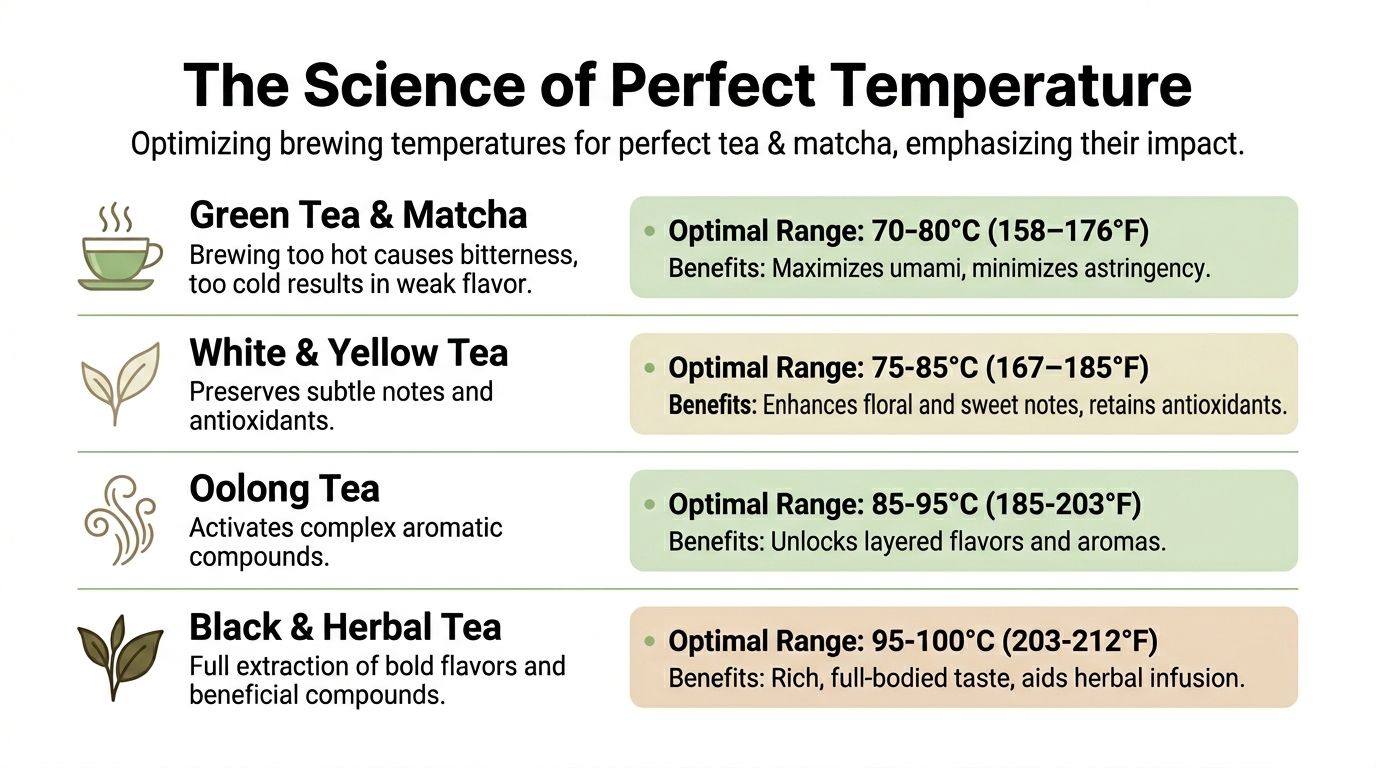
A simple way to understand it is to picture cooking greens. A quick blanch keeps them vivid and sweet. Too much heat leaves them dull and harsh. Matcha responds in a similar way. Careful temperature use helps preserve the rounder, calmer character that makes ceremonial-grade tea feel special.
If you want a broader explainer on optimal water temperature for brewing, Cumbre Coffee offers a helpful primer. It focuses on coffee, but the extraction lesson applies just as well to tea.
What boiling water does to matcha
Boiling water can make matcha taste louder, but not better. The bowl often becomes more bitter, less creamy, and less balanced. Instead of a lingering sweet finish, you get a rougher edge that stays on the palate.
That is frustrating with any tea. It is especially disappointing with premium organic matcha because you paid for nuance.
PepTea’s matcha is prized for compounds such as L-Theanine and EGCg, and tea drinkers often choose it for both flavour and wellness. Treating that powder with gentler heat helps protect the qualities that make the tea feel focused, calming, and pleasantly savoury in the first place. Generic coffee-led kettle reviews often skip this point, but for matcha drinkers, it is one of the main reasons precision matters.
Why stability matters in real kitchens
The target temperature matters. Stability matters too.
In an Australian home, morning power supply can be consistent one day and slightly less so the next, especially in older buildings or busy households running several appliances at once. A kettle that holds steady helps remove that wobble from your routine. You are less likely to get one bowl at the right temperature and the next bowl a little hotter because the water sat longer or reheated unevenly.
That steadiness is useful with matcha because small shifts show up quickly in taste and texture. It also helps when you are preparing tea for a partner, making a second bowl after breakfast, or serving customers in a café where repeatability matters.
If your whisking is still a work in progress, Pep Tea’s guide on how to whisk matcha properly pairs beautifully with better temperature control. Good whisking and good water support the same goal, which is a smoother, sweeter bowl with finer foam.
A practical guide by tea type
| Tea style | Water that’s too cool | Water that’s right | Water that’s too hot |
|---|---|---|---|
| Matcha | Dull, thin, harder to foam | Creamy, sweet, balanced | Bitter, rough, less nuanced |
| Green tea | Muted, shy aroma | Fresh, lively, clean finish | Sharp, astringent |
| White tea | Quiet, underdeveloped | Soft, floral, delicate | Heavy, less elegant |
Precision changes the cup you drink. For tea lovers in Sydney, Melbourne, and anywhere else in Australia, it also makes your results less dependent on local water quirks and more dependent on your choices. That is why temperature keeps coming up. It protects flavour, preserves more of what makes fine matcha worth buying, and turns a daily ritual into something reliably good.
A Deep Dive into the Stagg EKG Features
A good kettle does more than heat water. It removes small points of friction that subtly affect flavour, texture, and consistency.
With the fellow stagg ekg electric kettle, the design makes the most sense when you look at the cup in front of you. Each feature answers a practical question. How do you avoid scorching delicate matcha? How do you pour without flooding the bowl? How do you get the same result in Melbourne one week and Sydney the next, even when local water behaves differently?
Variable temperature control that gives you a narrower target
For tea, broad control is less useful than precise control. Premium organic matcha contains delicate compounds such as L-Theanine and EGCg that respond poorly to overheated water. Push the temperature too high and the bowl can lose sweetness, soften its fresh green aroma, and pick up a rougher finish.
That matters in Australia because water conditions vary more than many buyers expect. Harder water can make tea taste flatter or more chalky, while softer water can pull flavour faster and make temperature mistakes show up more clearly. In both cases, being able to set the water intentionally helps you protect what you paid for.
If you are still refining your routine, Pep Tea’s guide to making matcha tea properly at home pairs well with a kettle like this. Good ingredients and accurate water work together.
PID control that keeps the kettle from drifting
PID is a method the kettle uses to hold close to the temperature you chose instead of swinging above and below it. A rice cooker with good heat control works on the same principle. It does not just race to the finish. It corrects itself as it goes.
For tea drinkers, the benefit shows up in repetition. Your first bowl and second bowl stay closer in taste. If your local power supply fluctuates during busy morning hours, steadier temperature management also helps reduce the little spikes and drops that can make one brew softer and the next one sharper.
That kind of consistency is easy to overlook until you start preparing better matcha regularly.
The gooseneck spout helps at the exact moment water meets powder
Coffee gets most of the attention here, but tea users benefit too. Matcha is especially sensitive in the first few seconds of pouring. A heavy stream can push powder to the edges of the bowl, encourage clumps, and make whisking harder than it needs to be.
The narrow spout gives you a slower, cleaner stream, which helps in a few useful ways:
- You can add a small amount first and form a smooth paste before adding the rest
- You wet tea leaves more gently in smaller teapots
- You spill less on the bench, which matters in compact Australian kitchens
- The whole process feels calmer and easier to repeat
It works like using a fine paintbrush instead of tipping paint straight from the tin. You get placement, not just volume.
The handle supports control, not just comfort
A kettle can have accurate heating and still feel awkward in the hand. The Stagg EKG’s balanced handle helps the pour feel steady, especially when you are filling a bowl in short stages or serving several cups back to back.
That matters at home, and it matters even more in a café or studio setting where repetitive movements add up. A better-balanced kettle helps your wrist stay relaxed, which makes your pouring more precise. Better pouring leads to fewer splashes, fewer corrections, and a smoother brewing rhythm.
Hold mode suits real tea routines
Hold mode keeps the water at your chosen temperature for a period of time, which is useful when tea is part of a morning routine rather than a single rushed task.
You might prepare your own matcha first, then make a green tea later for someone else. You might compare two different teas side by side. You might be working in a café where service timing shifts from one customer to the next. In each case, you are not reheating blindly and guessing where the temperature landed.
For Australian users, that convenience is practical in another way. If your kitchen runs cool in winter mornings, or your workflow gets interrupted, the kettle helps preserve stability without making you restart from scratch.
The built-in timer strengthens habits
The timer is simple, but it helps keep your brewing process in one place. You do not need to reach for your phone, break your focus, or estimate how long the tea has been sitting.
With matcha, timing affects how long you whisk and how fine the foam becomes. With loose-leaf tea, it affects body and finish. The timer turns repetition into memory. After a while, your hands learn the sequence.
Useful details for Australian users
Australian buyers often focus on plug compatibility and bench space first. Fair enough. Day to day, the more interesting point is reliability. A precision kettle is most useful when it behaves predictably despite local differences in water and routine.
Sydney and Melbourne are a good example. Their water can differ enough that the same tea may present differently from one city to the other, especially with delicate green teas. A kettle that lets you set and hold a careful temperature gives you one stable variable. You still taste your water, but you are less at the mercy of it.
That is the quiet strength of this kettle. It takes technical control and turns it into something sensory. More sweetness, less harshness, finer foam, and better protection for the fresh, calming character that makes high-quality matcha worth drinking in the first place.
Your Step-by-Step Guide to Perfect Brewing
Owning a precision kettle only helps if you know how to use that precision well. The good news is that the routine becomes simple very quickly.
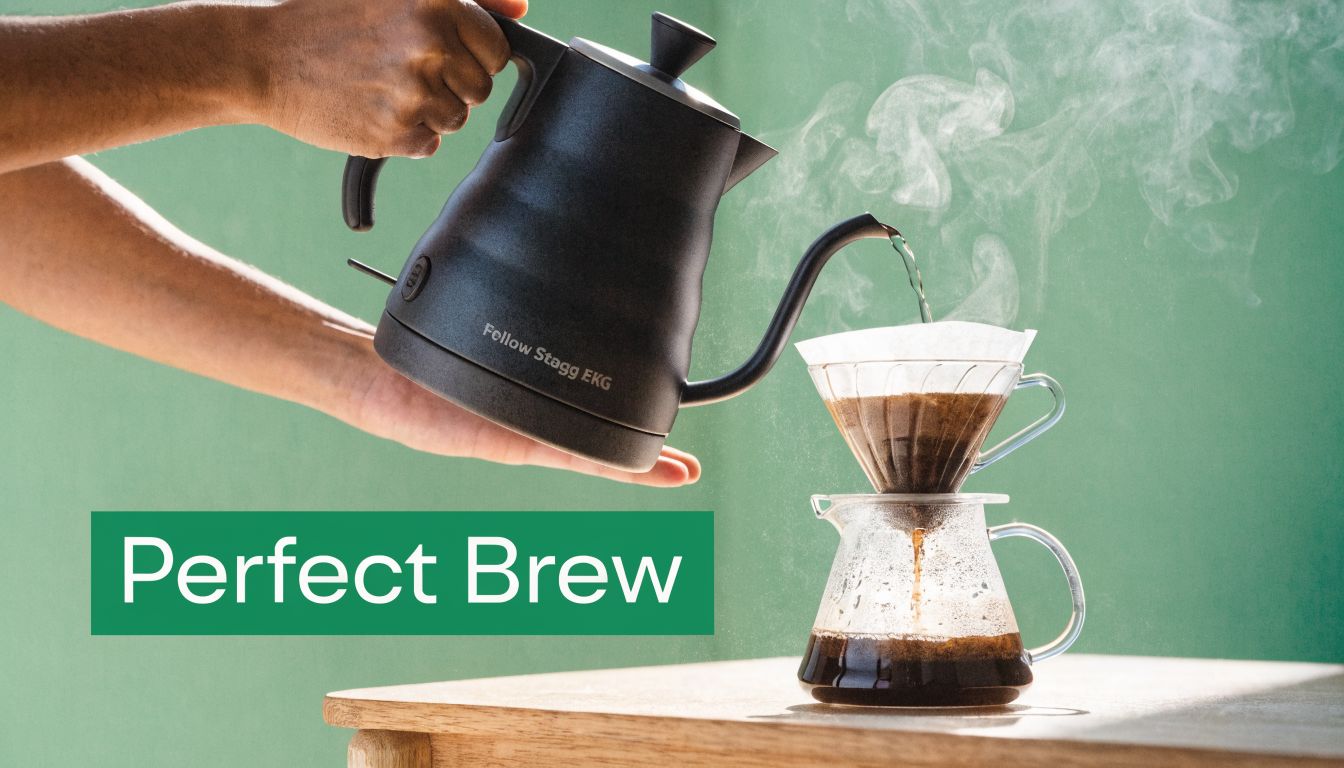
How to make a smooth bowl of ceremonial matcha
Start with fresh water and a clean kettle. Fill the Stagg EKG with the amount you need and set it to 80°C, which sits squarely in the gentler range preferred for delicate green teas and matcha.
Then work through the bowl in this order:
- Warm your bowl and whisk with a little hot water, then discard it. This helps the whisk flex properly and keeps the bowl from cooling the tea too quickly.
- Sift your matcha into the bowl. Sifting reduces clumps before water is added.
- Pour a small amount first using the gooseneck spout. This gives you control and lets you make a smooth paste rather than flooding the powder.
- Add the remaining water once the paste is silky.
- Whisk briskly until the surface becomes fine and frothy.
The pouring step is where this kettle feels different. The narrow spout gives you a measured stream, so you can build the bowl gradually instead of correcting mistakes after a heavy pour.
A practical companion to this routine is Pep Tea’s guide on making matcha tea, especially if you’re still refining your bowl-to-water rhythm.
Common matcha mistakes and the fix
People usually blame the whisk when a bowl doesn’t come together. Sometimes the whisk is fine. The actual issue is process.
Here’s a quick troubleshooting guide:
| Problem | Likely cause | Better approach |
|---|---|---|
| Bitter taste | Water too hot | Set the kettle to 80°C and keep it there |
| Clumps | Powder not sifted or water dumped in fast | Sift first, then add water gradually |
| Thin foam | Poor whisking rhythm or bowl too cool | Warm the bowl and whisk before mixing |
| Flat flavour | Water cooled too much | Brew as soon as the kettle reaches target |
Brewing delicate loose-leaf tea with the same kettle
The same kettle works beautifully for green, white, and lightly oxidised teas. The key is matching the tea style to a sensible temperature and giving yourself pouring control.
For a delicate green tea, use water around the lower end of the gentle range. For a white tea, you can usually edge a bit higher while still staying restrained. What matters most is avoiding the reflex to use full boil for everything.
When tea tastes harsh, don’t add less leaf first. Lower the water temperature and try again.
If you want to see a visual demonstration of careful pour control and workflow, this short video is useful:
A simple routine for green or white tea
This approach works well when you want clarity and softness rather than force.
- Choose your temperature thoughtfully. Green teas usually respond well to gentler heat, while white teas can often handle slightly warmer water.
- Pre-warm the vessel so the water doesn’t drop in temperature the moment it lands.
- Pour steadily, not aggressively. The gooseneck helps you wet leaves evenly.
- Taste early. Delicate tea can move from elegant to tired if it sits too long.
Using hold mode as part of the ritual
One overlooked benefit of the Stagg EKG is how it supports unhurried brewing. If you’re making multiple infusions, chatting with a friend, or preparing both matcha and loose-leaf tea in one session, hold mode keeps the water ready.
That changes the feel of the ritual. You’re no longer racing the kettle. You can focus on the tea itself.
Two everyday setups that work well
For a solo morning bowl of matcha
- Set the kettle to 80°C
- Warm the bowl and whisk
- Sift the matcha
- Pour a little water first, then the rest
- Whisk and drink immediately
For a slow afternoon tea session
- Heat the kettle to the temperature that suits your chosen leaf
- Pre-warm your pot or gaiwan
- Pour in small, controlled circles
- Use the timer to keep steeping consistent
- Keep hold mode on if you plan a second infusion
The true advantage isn’t complexity. It’s repeatability. Once you know your preferred temperatures and rhythm, the kettle makes them easy to reproduce.
Maintenance and Care for Australian Conditions
You set the kettle to the right temperature, sift a bright green matcha, and expect that sweet, creamy softness PepTea’s organic powder can give. Then the cup tastes flatter than it should. In many Australian kitchens, the culprit is not the tea. It is the water and what that water leaves behind inside the kettle.
Sydney and Melbourne homes often deal with moderate to hard water, so mineral buildup is a practical issue, not a fussy one. Over time, scale on the base can interfere with how cleanly the kettle heats and how accurately it senses temperature. Fellow also notes that the kettle is for water only, and using other liquids can create problems with performance and warranty coverage, according to Fellow’s Stagg EKG safety, troubleshooting and instructions.
That matters more for matcha than many coffee-first reviews admit.
PepTea’s premium organic matcha contains delicate compounds such as L-Theanine and EGCg that respond poorly to excess heat. If scale causes the kettle to heat less predictably, you can end up nudging the water hotter than intended. The result is easy to taste. Less sweetness, more edge, and a bowl that feels duller and less calming than it should.
Why regular descaling protects flavour
A clean kettle gives you a more trustworthy starting point. That is the ultimate goal.
Mineral deposits work like a thin crust between the heating element and the water. Even a small layer can affect heat transfer and make the kettle work harder than it should. In Australian homes where power supply can fluctuate a little from suburb to suburb, keeping the kettle free of scale helps reduce one more source of inconsistency in your brew routine.
For tea drinkers, good maintenance protects the point of owning a precision kettle in the first place. You want 80°C to mean 80°C, especially for Japanese green tea and high-grade matcha.
A sensible care routine
You do not need a complicated system. You need a repeatable habit.
- Empty leftover water after each session so minerals are not left to settle all day
- Check the interior base every few days if you live in Sydney, Melbourne, or any hard-water area
- Descale at the first sign of a white film instead of waiting for thick buildup
- Wipe the outside regularly so steam residue and kitchen oils do not collect around the body and base
- Use fresh water each time for cleaner flavour, especially if you are brewing delicate green tea or matcha
If you like keeping the whole tea station tidy, these general kitchen appliance cleaning tips are a helpful companion for the rest of your kitchen routine.
What to watch for in daily use
Small changes usually show up before major problems do.
| Sign | What it may mean |
|---|---|
| White film on the interior base | Mineral scale is starting to build |
| Water seems to heat less cleanly | Deposits may be affecting heat transfer |
| Your matcha tastes a little harsher at the same setting | Actual water temperature may be drifting from what you expect |
| More internal noise during heating | Minerals may be collecting on hot surfaces |
A precision kettle rewards attention. Keep it clean, use it only for water, and it will keep doing the quiet work that protects flavour, aroma, and the gentler character you want from a well-made bowl of matcha.
Is the Stagg EKG Right for Your Kitchen or Café
A Saturday morning in Sydney can make this decision clear fast. You whisk a bowl of premium matcha, use water that ran a little too hot, and the cup lands flatter than it should. The sweetness pulls back, the savoury depth thins out, and the gentle, focused feeling many people seek from compounds like L-Theanine and EGCg is no longer the whole point of the ritual. A kettle with precise control helps protect what you paid for, especially when your local water and daily conditions are not identical from one suburb or city to the next.
The fellow stagg ekg electric kettle suits people who notice those differences and want a tool that reduces guesswork. In Australian homes, that can mean adjusting for harder water in parts of Melbourne, different mineral profiles in Sydney, or a routine that depends on getting the same result on busy weekdays as well as slow weekends. In a café, it means staff can repeat a recipe without cooling boiling water by feel and hoping they hit the right window.
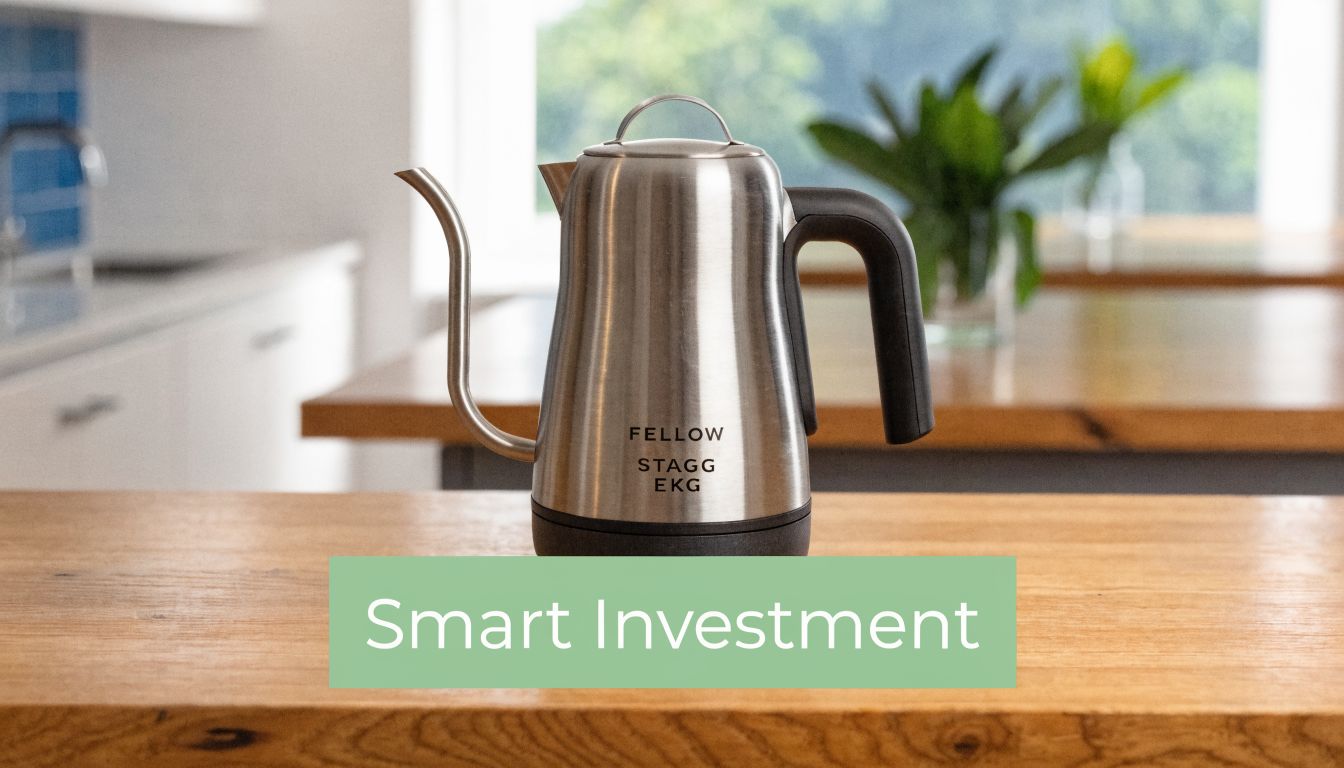
For the home tea enthusiast
This kettle makes sense if you treat tea as a daily practice, not just hot water plus leaves.
- You buy high-grade matcha or loose-leaf tea and want the softer sweetness, creamier texture, and cleaner finish to show up reliably
- You care about brewing gently enough to protect delicate compounds rather than blasting them with near-boiling water
- You want consistency across changing conditions such as different tap water in Australian cities or small day-to-day variations in your kitchen routine
- You enjoy tools that slow you down in a good way and make the process feel calm, deliberate, and repeatable
If your routine is mostly builder’s tea with milk, a basic kettle may do the job. If you drink organic matcha, shaded Japanese greens, or fine white tea, precision solves a real flavour problem.
For the café or hospitality venue
In a service setting, the question is less about hobbyist pleasure and more about repeatability. One staff member may pour with a light hand. Another may rush. A kettle that holds a chosen temperature helps both produce a similar result, which matters when a customer orders a matcha latte on Tuesday and expects the same balanced cup on Friday.
That matters even more for venues building wellness-focused menus. Delicate tea is less forgiving than coffee. Water that is too hot can push bitterness forward and leave the drink tasting rough or tired. For matcha, that means less of the rounded, fresh character customers associate with quality.
A quick side-by-side view
| User type | Why it fits | What to consider |
|---|---|---|
| Home drinker | Helps protect flavour, aroma, and the gentler character of premium matcha and tea | Best value if you will actually use specific temperature settings |
| Café owner | Supports recipe consistency, staff training, and cleaner results across service | Capacity should match how many tea and matcha drinks you serve in a rush |
There is also the practical side. Australian water conditions can shorten the life of any precision kettle if scale is ignored, and scale can interfere with clean heating over time. If you are comparing ownership costs as well as brewing results, this guide to the best descaler for your kettle is a useful reference.
An Investment in Flavour and Wellness
The strongest case for the fellow stagg ekg electric kettle isn’t that it looks good on a bench. It’s that it gives premium tea the treatment it deserves.
When you control temperature well, flavour becomes clearer. Matcha tastes rounder and less bitter. Delicate teas show more nuance. The whole ritual feels steadier because you’re no longer relying on timing guesses and hopeful cooling.
That’s why this kettle earns such loyalty from people who care about tea. It turns precision into habit. And once that habit is in place, your daily cup starts tasting more like the one you imagined when you bought the tea in the first place.
If your goal is better flavour, better consistency, and a brewing routine that supports calm rather than chaos, this kettle is a thoughtful upgrade.
If you’re ready to put that precision to good use, explore Pep Tea for premium organic matcha and sugar-free organic kombucha, along with practical guides that help you get more from every cup.
The post Fellow Stagg EKG Electric Kettle: A Guide for Tea & Matcha appeared first on Pep Tea.
[ad_2]
Source link